Agentic Commerce Blueprint: Structuring Product Feeds and Policies for AI Shopping Agents
Last updated: June 10, 2026
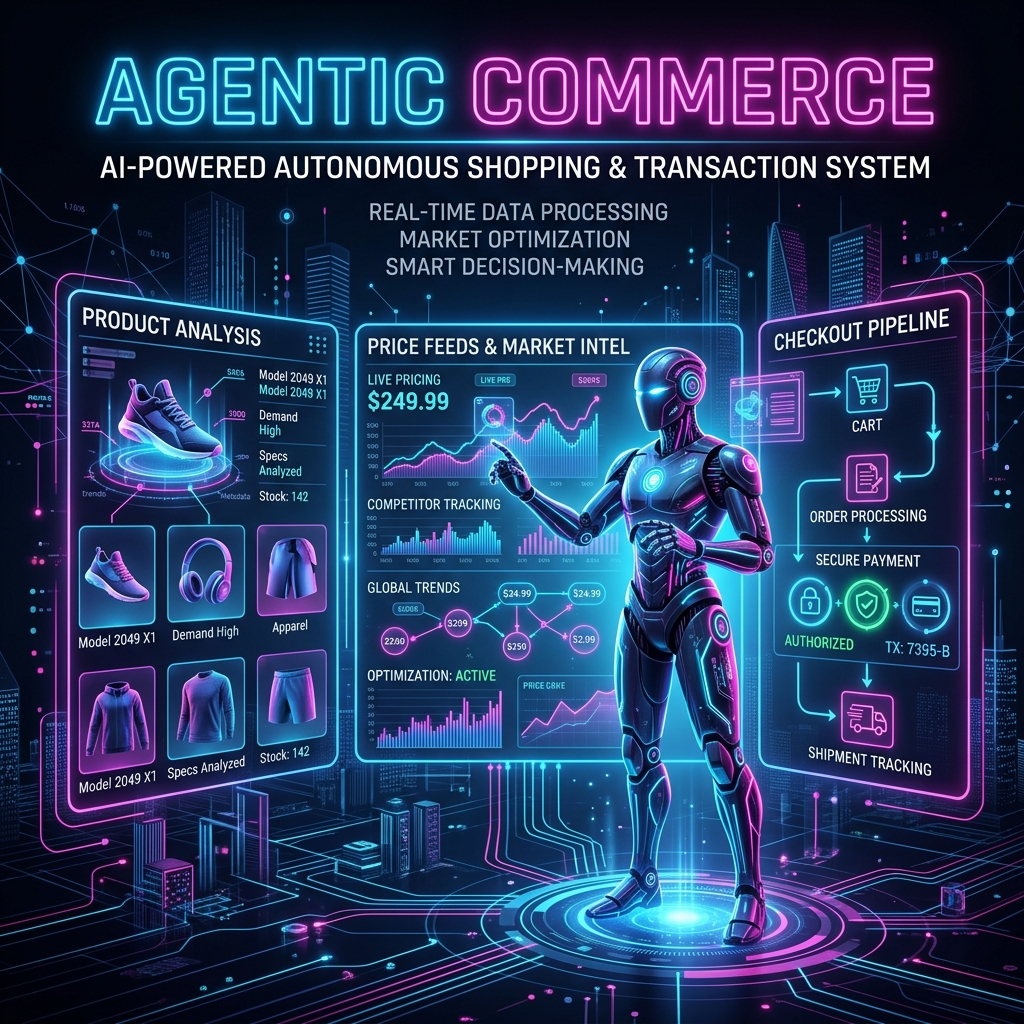
The metrics of e-commerce success are shifting from visual design to data structure. While high-resolution photography, copywriting, and layout styling are still important to human shoppers, they are completely invisible to the autonomous shopping agents that research, filter, and compare products before a human ever visits your site.
If an AI agent (like ChatGPT Shopping or Gemini) cannot determine the exact compatibility of your product, the timeline of your return policy, or the availability of your inventory in under 500ms, it will simply omit your store from the user's recommendation list. This is the reality of Agentic Commerce. To survive in this environment, e-commerce brands need an operational blueprint for catalog design, product feed structure, and machine-readable policies. This article provides a comprehensive blueprint for structuring your data for AI agents.
Catalog Optimization: Vector-Based Relevance vs Keywords
In traditional e-commerce, search relies on keyword matching. If a user searches for "waterproof running shoes," the database looks for pages containing those keywords. In agentic commerce, AI models use vector embeddings to evaluate product relevance.
When an agent crawls your catalog, it translates your product titles, specifications, and descriptions into dense vectors. The agent then compares these vectors to the user's intent. If your descriptions are thin or vague, your vector alignment score will be low. To optimize for vector-based search, you must replace generic marketing copy with precise, attribute-dense technical specifications. This is the core of AI product feed optimization.
The Standard Feed vs the Agent-Optimized Feed
To secure a place in AI shopping recommendations, you must upgrade your standard Google Merchant Center and schema graphs to support advanced attributes. The table below compares the standard approach against the agent-optimized structure:
| Data Element | Standard E-commerce Feed | Agent-Optimized Feed (UCP-Ready) |
|---|---|---|
| Product Title | Leather Running Sneakers | Lexington Apex Leather Running Sneakers - Waterproof, Size 10, Men's, Black |
| Attributes | Brand, Price, Image | GTIN, MPN, Material, Material composition, Color, Dimensions, Weight, Compatibility list |
| Return Policy | Link to returns page | Structured ReturnFees, returnPolicyCategory, and returnMethod in Product Schema |
| Inventory | InStock / OutOfStock | Exact inventory count, warehouse zip code, shipping latency tiers |
By upgrading your feed to the agent-optimized model, you eliminate ambiguity. When a shopping assistant compares products, it can immediately verify that your product meets all criteria. This ensures your store ranks high in discoverability for AI agents. To learn more about structuring organization and brand metadata to build trust, read RAG Grounding Principles: Eliminating Hallucinations in LLM Brand Representation.
Structuring Your Shipping and Return Policies
AI shopping agents compare transaction policies before making recommendations. They will not cite or recommend a product if they cannot determine whether the user is eligible for free shipping or a full refund.
To optimize your policies for AI crawlers, you must define them inside your product schema using schema.org properties. For returns, use the hasMerchantReturnPolicy property to define the return window, return shipping fees, and refund method. For shipping, use the shippingDetails property to declare delivery times and shipping rates by postal code. This structured metadata ensures that the RAG retrieval layer caches your transaction policies with 100% confidence. For technical guidance on analyzing server logs to track agent transaction sessions, see Auditing Your AI Footprint: Diagnosing Gaps in Non-Human Search Queries.